-Launch of an AI Convergence Startup Program and a Global Startup Talent Development Program for International Students
-The greatest strengths are its 'location' and 'connectivity,' as Hansung University is situated in the heart of Seongbuk-gu.
-Runs a customized support system that thoughtfully reflects the characteristics of each field and the growth stages of entrepreneurs
-Holds the regular 'Startup On; Air (Startup Talk) with resident companies' sessions twice a month to engage in ongoing communication
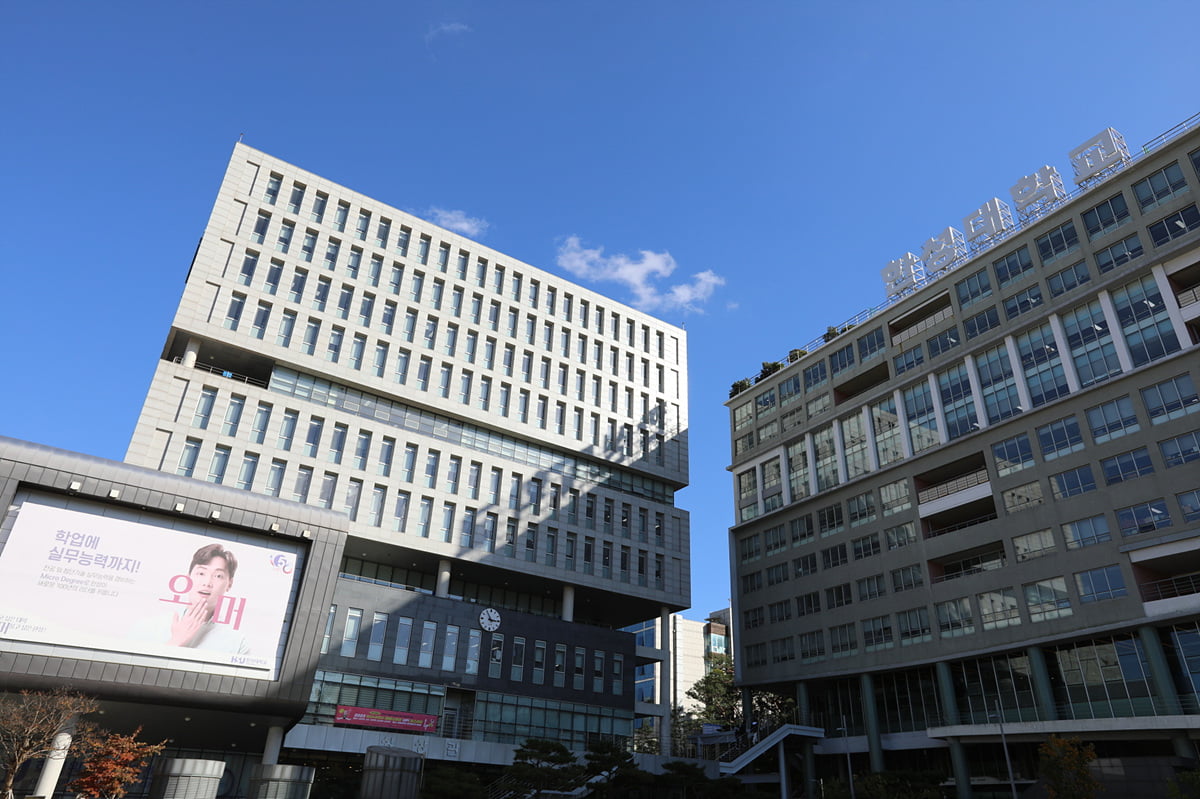
Lee Jeonghoon, Director of the Campus Town Project Group at Hansung University, stated, "The Hansung University Campus Town Project is creating a sustainable startup ecosystem where the local community, university, and Seoul City can grow together, with a focus on youth entrepreneurship". He emphasized that its key strength lies in "providing full-cycle startup support, including startup education, mentoring, networking, investment connections, and global expansion." I met Director Lee at Hansung University, located in Samseondong, Seongbukgu, Seoul.
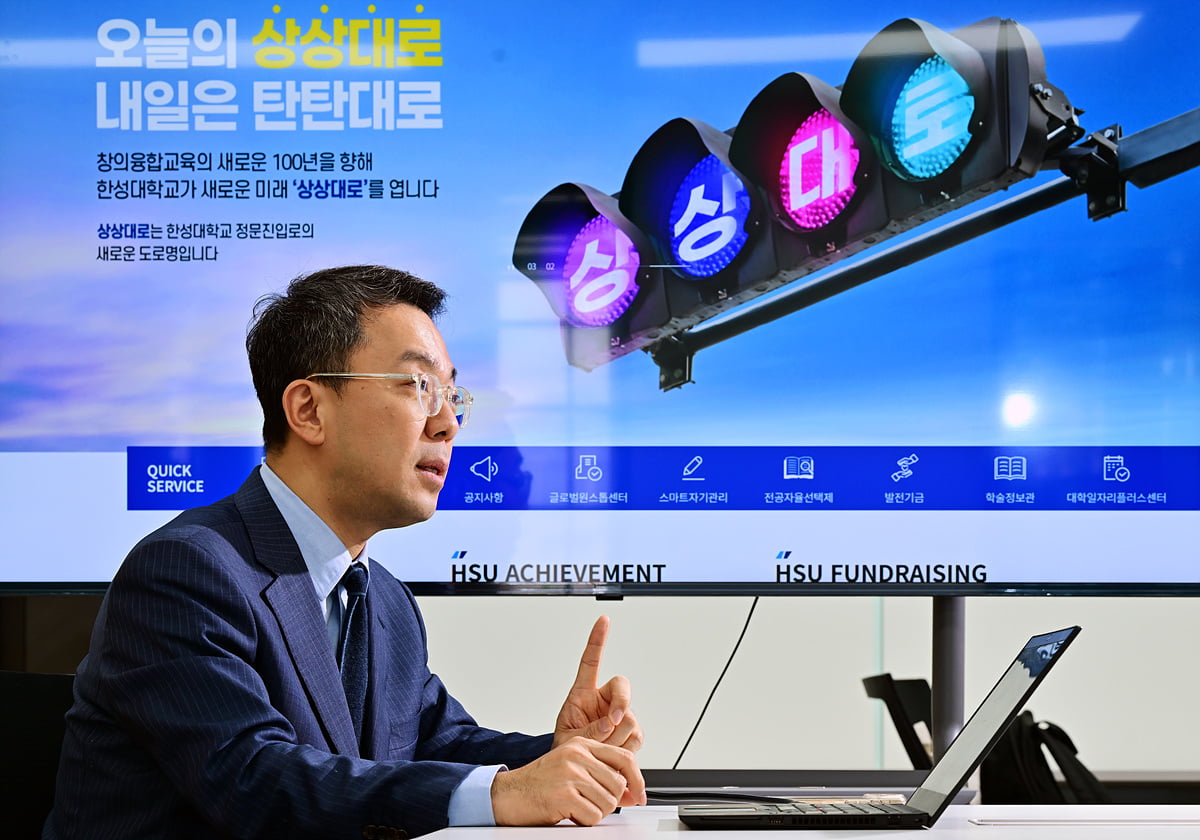
Lee Jeonghoon, Director of the Campus Town Project Group, Hansung University
Prof. Lee Jeonghoon (Director of the Hansung University Campus Town Project Group, President of the Industry-Academic Cooperation Foundation, President of the Office of Research Affairs)
Director of the Hansung University Campus Town Project Group (2024~Present)
President of the Industry-Academic Cooperation Foundation of Hansung University (2024~Present)
President of the Office of Research Affairs, Hansung University (2024~Present)
CEO of K Kitchen Hansang, a school enterprise of Hansung University (2024~Present)
Associate Professor, Global Business Track, College of Future Convergence Social Sciences, Hansung University (2022~Present)
Director of Student Success Center at Hansung University (2021~2023)
Assistant Professor, Global Business Track, College of Future Convergence Social Sciences, Hansung University (2018~2021)
Assistant Professor, Department of Business Administration, College of Social Sciences, Hoseo University (2013~2018)
Internet JoongAng Ilbo Joins com (2002~2005)
Hansung University has been a participant in the Seoul Campus Town project for the longest duration. Is there a key to this success?
"Because the Hansung University Campus Town has not limited itself to mere startup support, but has embraced co-prosperity with the local community as a core value. By addressing local issues in Seongbuk-gu, encouraging resident participation, and linking with local brands, it has built a community-centered startup ecosystem and realized the ideal Campus Town model envisioned by the Seoul Metropolitan Government. In addition, based on the continuity of various programs and accumulated operational know-how, it has discovered numerous startups and systematically nurtured them, demonstrating both outstanding startup performance and high potential for business expansion."
What is the most important focus of this year’s project?
"The most crucial focus of the current Hansung University Campus Town project is the launch of the AI Convergence Startup Program and the Global Startup Talent Development Program for international students. For the AI program, the aim is to go beyond simply generating startup ideas and to focus on practical training that applies AI technology to actual startup items and advances them. In 2024, Hansung University was the only university in the Seoul metropolitan area newly selected for the SW-centered 'Digital Leading University' program. The AI program will create a synergistic effect by linking with the AID+ bundled lecture program, which is conducted under the Digital Leading University initiative. The program for international students offers startup education and mentoring to international students residing in Korea, aiming to discover and nurture multinational and multilingual startup teams. It extends beyond basic education to include guidance on Korean laws and regulations, as well as support for overcoming cultural barriers, enabling international students to progress toward actual startup creation. In particular, active support is being provided to help students of the 'Global Talent Department,' established in March 2025, exclusively for international students, to settle and stay long term. This initiative is significant in that it goes beyond existing region-based startup support and is evolving into a technology-centered, globally expandable campus town model."
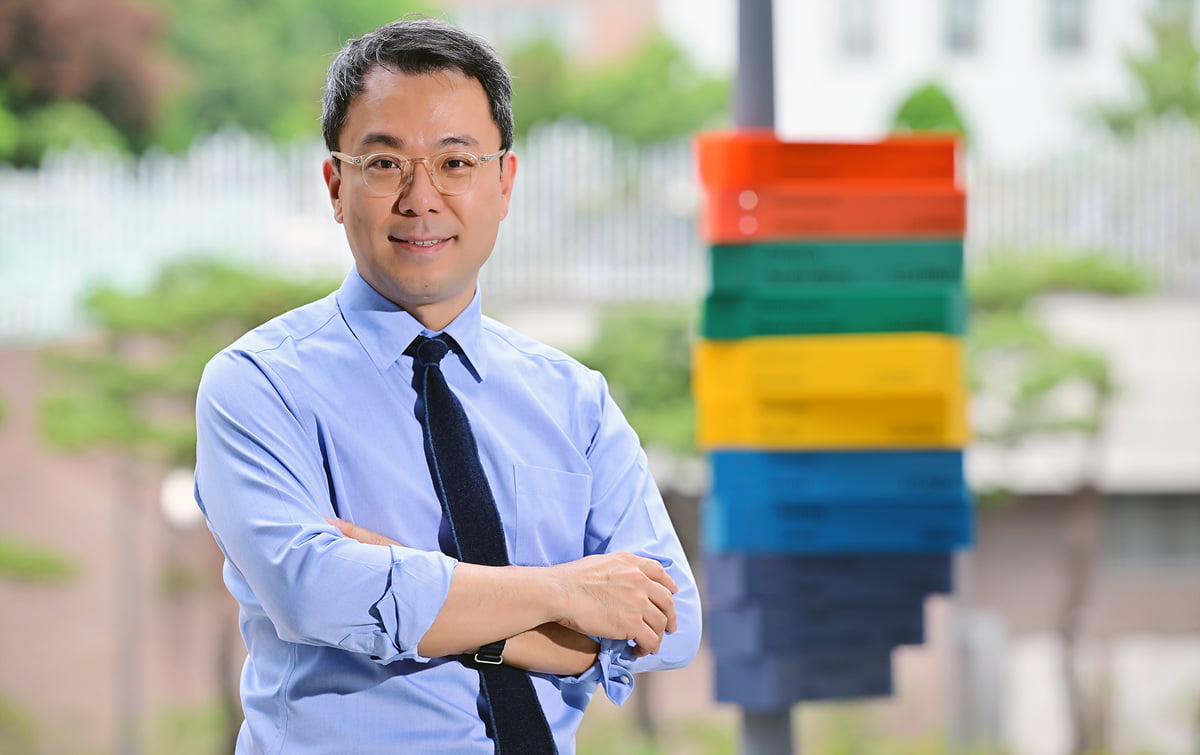
"The Hansung University Campus Town Project Group has been operating various programs in partnership with the Seoul Metropolitan Government, with the goals of regional co-prosperity, youth entrepreneurship, and local revitalization. As the name 'Campus Town' suggests, the core lies in growing together with the local community, leveraging the university’s capabilities. First, 'location' and 'connectivity'. Hansung University is located in Seongbuk-gu, right next to the Seoul City Wall, and is well-connected to both Jung-gu and Jongno-gu. Local communities, municipal governments, young entrepreneurs, and cultural and arts organizations are naturally coming together. Its greatest strength lies in its geographical 'location and role as a connected platform,' providing a strong foundation for collaboration.
Second, it offers a comprehensive startup support system that enables young people to launch and grow their businesses, even if they start with just an idea. Rather than simply offering education or funding, it provides a comprehensive infrastructure specialized in supporting youth startups, including physical space, equipment, mentoring, and investment connections to enable real startup launches. Above all, educational programs are designed to foster close collaboration between faculty and students for greater synergy. Industry-academia joint research is conducted to address real business challenges, with support provided for securing intellectual property and commercializing technologies, enabling startups to achieve tangible outcomes. From 2017 to 2024, the Campus Town Project Group has nurtured 225 startup teams across various fields over eight years, and in 2025, it plans to select 67 teams to generate new achievements."
Startup companies are being nurtured in specialized fields, including emerging technologies, fashion design, and the social sector. What are its key characteristics?
"The Hansung University Campus Town Project Group operates a tailored support system that carefully considers the characteristics of each field and the growth stage of each entrepreneur when supporting startups. In the field of emerging technologies, support is provided to startups utilizing advanced technologies such as AI, XR/VR, robotics, and cybersecurity, enabling them to enhance their technological capabilities through technology development, prototype production, and expert mentoring. Fashion design is one of Hansung University’s key specialized areas. Focused on programs tailored for brand startups, practical support is provided for successful market entry, including local branding, marketing strategies, crowdfunding, and operating pop-up stores. This effort is grounded in collaboration with the Global Fashion School, leveraging the faculty's expertise and the university’s geographical and historical mission. In the social sector, the focus is on fostering startups that address local issues and create social value. In close collaboration with Seongbuk-gu, efforts are made to strike a balance between sustainability and public interest in entrepreneurship. To support not only local but also global expansion, pathways have been created through collaboration in 2024 with organizations such as the China Association for Science and Technology, the International Technology Transfer Network (ITTN), the Zhongguancun Korea Representative Office, and Beijing University of Technology. This year, in March, President Lee Changwon was the only representative from Korea to present a global industry-academia strategy at the Zhongguancun Forum, where he proposed a roadmap covering entrepreneurship and broader industry-academia collaboration with global universities. A Global Industry-Academia Corporate Collaboration Center (ICC) has been established in Beijing as a strategic hub, with expansion underway into multiple regions, including Chengdu, Qingdao, Yantai, and Shanghai, as well as into Japan. In this way, the Hansung University Campus Town Project Group has developed a differentiated startup infrastructure and specialized support system, reflecting the characteristics of each specialized field and market demand, thereby contributing to the creation of tangible startup outcomes."
What criteria were used to evaluate and select the resident companies this year?
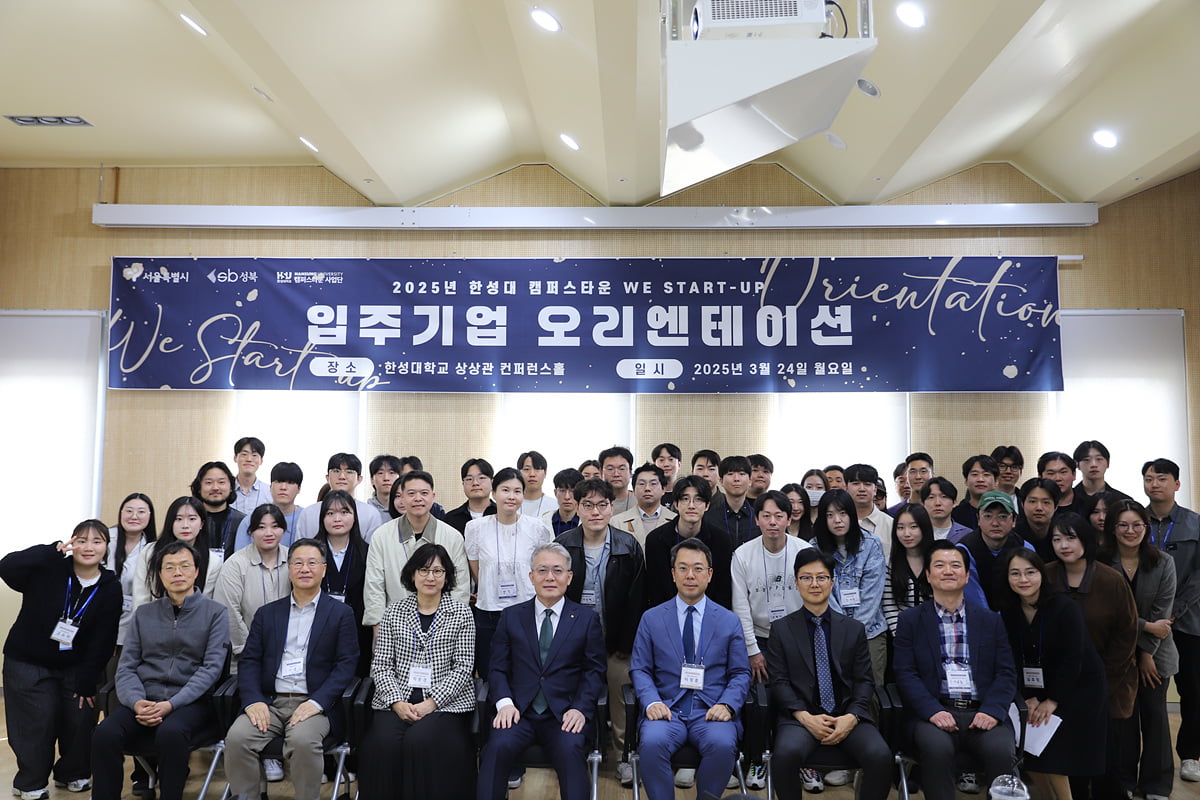
"The resident companies were selected through the 'We Start-up Startup Competition,' with evaluations conducted based on four main criteria. First, there was a prerequisite that the proposals align with the strategic direction of the Seoul Metropolitan Government. The goal was to incubate business items based on AI that align with Seoul’s strategic industries. Next, we reviewed how thoroughly the background and necessity of the startup item had been developed, as well as the depth of analysis on the target market. We also placed strong emphasis on evaluating the feasibility of the item, including how well it was prepared for commercialization and the concreteness of its implementation plan. In particular, the most heavily weighted criterion was growth potential. We focused on whether the company could achieve sustainable growth by evaluating factors such as market size, revenue structure, funding plans, and the feasibility of the implementation timeline. Lastly, we placed importance on the capabilities and expertise of the company or team members, as well as their ability to collaborate externally based on their networks. The focus was on selecting teams that not only had good ideas but also the capability to execute them effectively."
"First, to strengthen the competitiveness of technology-based startups, the Hansung University Campus Town Project Group operates a technology transfer support program in collaboration with ETRI (Electronics and Telecommunications Research Institute). Through this program, resident companies can directly explore the latest public technologies held by ETRI that align with their business items and proceed with technology transfer in consultation with ETRI researchers. The cost of technology transfer can be covered using the startup support funds provided to the companies, offering practical assistance to early-stage startups seeking to commercialize technology.
Last year, two companies successfully transferred technology through this program, achieving meaningful outcomes in terms of product advancement and technological differentiation. From now on, plans are in place to continue expanding technology matching and commercialization support tailored to the needs of resident companies through collaboration with the university’s Industry-Academia Cooperation Foundation, as well as organizations such as the Korea Technology Finance Corporation, the Korea Invention Promotion Association, and the Korea Institute of Patent Information."
Hansung University Campus Town maintains strong communication with its resident companies. Is there a secret to communicating effectively with company representatives?
"The Hansung University Campus Town Project Group considers continuous and organic communication with startups as a core operational principle of the project. As for the secret to communicating with company representatives, there is the 'Startup On; Air' program, hosted by the director and deputy director, in collaboration with resident companies. This program is held twice a month regularly and serves as a practical discussion session with resident companies in a relaxed atmosphere over a light lunch. The program was launched with the participation of President Lee Changwon and provides an open forum where companies can freely share challenges in the commercialization process, concerns about growth direction, and specific support requests. What is discussed during these sessions is followed up on afterward, making it a strength that the communication extends beyond conversation and leads to concrete action. The Hansung University Campus Town Project Group avoids one-sided administrative support and operates based on a principle of feedback-driven management centered on the needs of the companies. As a result, a strong foundation of trust has been established with company representatives, naturally fostering a culture of voluntary networking and collaboration within the startup ecosystem. Immediate responses are provided to the needs of resident companies through an emergency contact network established via SNS services."
What programs are available to help companies expand globally?
"The Hansung University Campus Town Project Group places the Born Global strategy at its core to help resident companies internalize global competitiveness from the early stages. This was also given priority in the selection of resident companies. Rather than settling in the domestic market first and then expanding overseas, it is far more essential to design the business with the global market in mind from the beginning. Therefore, practical support is being systematized to help resident companies naturally prepare for global expansion from the early stages of their business.
In the 'We Start-up Global Expansion Program,' product and market analyses are conducted for each company to determine the most suitable countries and channels. Based on this, multilingual company materials, promotional videos, and websites are produced in English, Chinese, Japanese, and other languages. Based on this, companies are also given marketing opportunities such as being listed on overseas distribution platforms or being connected with local partners. In addition, support is provided for the creation of English IR materials and global IR consulting for these companies, along with the operation of a global IR demo day, offering end-to-end assistance throughout the entire global expansion process, rather than one-off programs. The goal is to help resident companies internalize global capabilities, enabling them to move beyond the domestic startup market and enter the global stage. True to the term 'Born Global,' we are constantly working alongside companies to help them grow with a global perspective from the very beginning. In particular, global startup competitions are being held in collaboration with the Industry-Academia Cooperation Foundation, with a focus on China and Japan. In the short term, customized programs are being promoted targeting ASEAN countries, while in the mid- to long-term, they are aimed at global markets with a high interest in Korea. Through these efforts, tangible outcomes such as actual sales and investment exchanges are being achieved."
"Through the We Start-up Phase 2 Advancement Program, the Hansung University Campus Town Project Group provides IR and investment strategy consulting, along with support for enhancing pitching skills, thereby increasing the investment potential of participating companies. Additionally, IR demo days are held, with accelerators and VCs invited as judges, providing opportunities that can lead to actual investments. To support market expansion, the Start-on Mentoring Program provides guidance from experts in promotion and marketing, and the costs associated with marketing activities are covered through startup support funds. In addition, the We Start-up Fair and SB Startup Festival are held, where companies operate exhibition booths and pop-up stores, providing opportunities to showcase their products and services and engage directly with the market. In particular, the Startup On; Air program plans go as far as market expansion by connecting companies with the university’s family enterprises, tailored to each company’s specific needs."
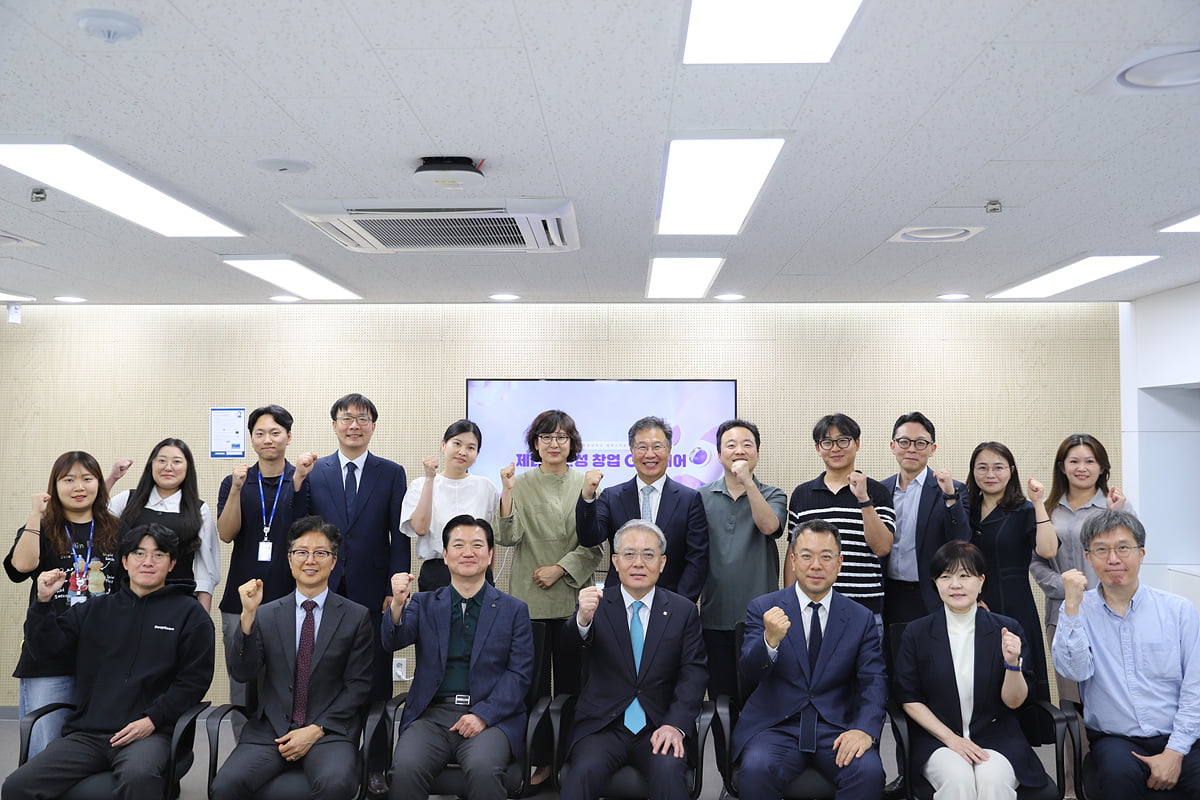
"The Hansung University Campus Town Project Group is now actively focusing on nurturing AI-based startups to advance the technology-centered startup ecosystem to the next level. Hansung University earned the title of 'Digital Leading University' after securing the AID+ bundled lecture program. Going beyond basic education, hands-on programs are being run to apply and advance AI technology in real-world startup applications, helping to identify young startup teams with strong technical capabilities. In particular, efforts are focused on fostering entrepreneurial talent capable of leading both Seoul’s strategic industries (AI, XR/VR, robotics, cybersecurity) and Hansung University’s uniquely specialized fields (Korean mineral color painting technique, dancing, fashion/design, culinary services) by encouraging collaboration with AI experts from the early stages of startups and strengthening data-driven problem-solving skills.
In addition, based on the Born Global strategy with global expansion in mind, support is provided to help startups design business models targeting global markets from the early stages. Through practical support, including multilingual content creation, overseas IR and marketing assistance, and global partner matching, a foundation is being established to help startup teams naturally expand beyond the domestic market to the worldwide stage.
Ultimately, efforts are focused on intensive incubation and investment linkage to help companies with technological capabilities and global competitiveness rapidly grow into baby unicorns. In fact, DS Co, Ltd, a faculty-founded startup, followed this very path and was selected as a top tech company in the finals of a 2024 startup competition in China, resulting in overseas sales. It has since grown to the point where it is now on the verge of becoming a baby unicorn. Continuous tailored support and strategic networking will be provided to ensure that startup teams are recognized for both market potential and technological capabilities, with the ultimate goal of nurturing the seeds of future global unicorns within the Campus Town ecosystem."
reporter jinho lee
jinho2323@hankyung.com
© 매거진한경, 무단전재 및 재배포 금지